Muscle Maintenance & Lean Mass in Aging Dogs
A comprehensive guide to preserving muscle mass, preventing sarcopenia, and maintaining strength, mobility, and independence as your dog ages.
Understanding Sarcopenia in Dogs
Sarcopenia—the age-related loss of muscle mass, strength, and function—is one of the most significant yet underrecognized threats to your dog's quality of life and longevity. While we often focus on visible signs of aging like gray muzzles and slower walks, the silent loss of muscle mass happening beneath the surface has profound consequences for mobility, metabolism, immune function, and overall health.
The Hidden Epidemic
Studies show that dogs lose approximately 30-40% of their muscle mass between ages 7 and 12. This isn't just cosmetic—it's a medical condition that:
- •Reduces strength and mobility
- •Slows metabolism (making weight gain easier)
- •Weakens immune system
- •Increases fall and injury risk
- •Impairs wound healing and recovery
- •Reduces quality of life and independence
What is Sarcopenia?
Sarcopenia is the progressive loss of skeletal muscle mass and function that occurs with aging. It's distinct from simple weight loss or muscle atrophy from disuse—sarcopenia involves complex changes at the cellular and hormonal level that make it harder to build and maintain muscle as dogs age.
Key Characteristics:
- • Progressive: Worsens gradually over years, often unnoticed until significant loss occurs
- • Multifactorial: Caused by aging, hormones, inflammation, nutrition, and activity level
- • Reversible (partially): With proper intervention, muscle can be rebuilt even in senior dogs
- • Preventable: Early intervention (starting in middle age) can dramatically slow or prevent sarcopenia
Why Muscle Mass Matters
Muscle isn't just about strength and appearance—it's a metabolically active organ system that plays critical roles throughout the body. Understanding why muscle matters can help you prioritize muscle maintenance as a core component of your dog's health strategy.
💪 Mobility & Independence
Muscle powers every movement—walking, climbing stairs, jumping into cars, playing. As muscle mass declines, dogs lose the ability to perform daily activities, leading to reduced quality of life and increased dependence on owners for basic functions.
Impact: Dogs with sarcopenia are 3-4x more likely to experience falls, difficulty rising, and loss of independence in their final years.
🔥 Metabolic Health
Muscle is metabolically active tissue that burns calories even at rest. Each pound of muscle burns approximately 6 calories per day at rest, while fat burns only 2. As muscle decreases, metabolic rate slows, making weight gain easier and weight management harder.
Impact: Loss of 5 lbs of muscle can reduce daily calorie burn by 30+ calories, leading to gradual weight gain if food intake isn't reduced.
🛡️ Immune Function & Recovery
Muscle serves as a reservoir of amino acids that the immune system draws upon during illness, injury, or stress. Dogs with low muscle mass have impaired immune responses, slower wound healing, and reduced ability to recover from surgery or illness.
Impact: Sarcopenic dogs take 30-50% longer to recover from surgery and have higher rates of post-operative complications.
🦴 Joint Protection
Strong muscles stabilize joints and absorb shock during movement, reducing stress on cartilage and ligaments. Weak muscles shift more load onto joints, accelerating arthritis development and increasing injury risk.
Impact: Dogs with strong leg muscles have 40% lower risk of cruciate ligament tears and slower arthritis progression.
❤️ Longevity & Quality of Life
Research consistently shows that muscle mass is one of the strongest predictors of longevity and healthy aging. Dogs who maintain muscle mass into their senior years live longer, healthier lives with better cognitive function and overall vitality.
Impact: Senior dogs in the top 25% for muscle mass live an average of 1.5-2 years longer than those in the bottom 25%.
Causes of Muscle Loss in Aging Dogs
Sarcopenia isn't caused by a single factor—it's the result of multiple age-related changes working together to make muscle harder to build and easier to lose. Understanding these mechanisms helps you target interventions effectively.
Declining Protein Synthesis
As dogs age, their bodies become less efficient at building muscle from dietary protein. This "anabolic resistance" means senior dogs need more protein than young dogs to maintain the same muscle mass.
Solution: Increase protein intake to 30-40% of calories for senior dogs (vs. 25% for adults)
Hormonal Changes
Growth hormone, testosterone, and IGF-1 (insulin-like growth factor) all decline with age. These hormones are critical for muscle protein synthesis and repair. Lower levels = harder to build muscle.
Solution: Resistance exercise stimulates natural growth hormone release
Chronic Low-Grade Inflammation
Aging is associated with "inflammaging"—persistent low-level inflammation that breaks down muscle tissue faster than it can be rebuilt. Inflammatory cytokines directly inhibit muscle protein synthesis.
Solution: Anti-inflammatory diet, omega-3s, antioxidants (curcumin, resveratrol)
Reduced Physical Activity
Senior dogs naturally slow down, sleeping more and moving less. This creates a vicious cycle: less activity → muscle loss → weakness → even less activity → more muscle loss.
Solution: Maintain consistent exercise, add resistance training
Mitochondrial Dysfunction
Muscle cells' energy factories (mitochondria) become less efficient with age, producing less ATP and more damaging free radicals. This impairs muscle function and repair capacity.
Solution: CoQ10, NMN, and other mitochondrial support supplements
Neuromuscular Decline
The connection between nerves and muscles deteriorates with age. Motor neurons die off, and remaining neurons control larger muscle fiber groups less precisely, reducing strength and coordination.
Solution: Balance and coordination exercises maintain neuromuscular connections
Assessing Your Dog's Muscle Condition
Early detection of muscle loss allows for intervention before significant decline occurs. Use these assessment methods to monitor your dog's muscle condition over time.
Muscle Condition Score (MCS)
Similar to Body Condition Score (BCS), Muscle Condition Score assesses muscle mass independently of fat. This is crucial because a dog can be overweight but still have sarcopenia (sarcopenic obesity).
Physical Assessment Areas
Key Areas to Palpate:
- 1.Temporal muscles (head): Muscles above the eyes—should be full and rounded, not sunken
- 2.Scapular muscles (shoulders): Should have good coverage over shoulder blades
- 3.Lumbar muscles (spine): Muscles along spine should be easily felt but not bony
- 4.Pelvic muscles (hips): Hip bones should have muscle coverage, not jutting out
- 5.Limb muscles (legs): Thighs and upper arms should feel firm and full, not thin
Functional Tests:
- •Sit-to-Stand Test: Can your dog rise from sitting without struggle or using front legs to push up?
- •Stair Climbing: Can they climb stairs without hesitation or bunny-hopping?
- •Jump Test: Can they jump into a car or onto furniture they previously could?
- •Walk Duration: Can they walk the same distance as 6 months ago without fatigue?
📸 Monthly Photo Documentation
Muscle loss happens gradually and can be hard to notice day-to-day. Take standardized photos monthly:
- • Side view (standing, same location/lighting)
- • Top view (looking down from above)
- • Front view (facing camera)
- • Close-up of hind legs (to track muscle definition)
Compare photos every 3 months to catch subtle changes early
Nutrition for Muscle Maintenance
Proper nutrition is the foundation of muscle maintenance. Without adequate protein and key nutrients, even the best exercise program will fail to preserve muscle mass.
Protein: The Non-Negotiable Foundation
Protein provides the amino acids needed to build and repair muscle tissue. Senior dogs need MORE protein than young adults due to anabolic resistance—their bodies are less efficient at using dietary protein for muscle synthesis.
25-28%
Adult Dogs (1-7 years)
Minimum protein for maintenance
30-35%
Senior Dogs (7+ years)
Recommended to combat anabolic resistance
35-40%
Sarcopenic Dogs
Therapeutic level for muscle rebuilding
High-Quality Protein Sources (in order of biological value):
Excellent:
- • Eggs (100% bioavailable)
- • Fish (salmon, sardines)
- • Chicken & turkey
- • Beef & lamb
Good (but lower bioavailability):
- • Cottage cheese & Greek yogurt
- • Legumes (lentils, chickpeas)
- • Quinoa
- • Pea protein
Essential Amino Acids: The Building Blocks
Not all proteins are equal. Complete proteins contain all 9 essential amino acids dogs can't synthesize themselves. Three amino acids are particularly critical for muscle maintenance:
Leucine
The most important amino acid for triggering muscle protein synthesis. Acts as a "signal" to start building muscle.
Found in: Chicken, beef, eggs, fish
Lysine
Essential for calcium absorption, collagen formation, and muscle tissue repair. Deficiency accelerates muscle loss.
Found in: Fish, eggs, turkey, legumes
Methionine
Supports protein synthesis and acts as an antioxidant. Critical for senior dogs' muscle maintenance.
Found in: Eggs, fish, chicken, turkey
Nutrient Timing: When to Feed Protein
HOW and WHEN you feed protein matters as much as how much. These strategies maximize muscle protein synthesis:
✓ Distribute protein across 2-3 meals (not one large meal)
Muscle protein synthesis peaks 2-3 hours after eating protein, then declines. Multiple meals = multiple synthesis peaks throughout the day.
✓ Feed protein within 30-60 minutes after exercise
Post-exercise is when muscles are most receptive to protein. This "anabolic window" enhances muscle repair and growth.
✓ Include protein in evening meal
Overnight is when most muscle repair occurs. Evening protein prevents muscle breakdown during the long overnight fast.
Supporting Nutrients for Muscle Health
Omega-3 Fatty Acids (EPA/DHA)
Reduce inflammation, improve insulin sensitivity, and enhance muscle protein synthesis in senior dogs.
Source: Fish oil, salmon, sardines (1000mg EPA+DHA per 30 lbs body weight)
Vitamin D
Critical for muscle function and strength. Deficiency is common in senior dogs and linked to muscle weakness.
Source: Fatty fish, egg yolks, fortified foods (check levels with vet)
Antioxidants (Vitamins C & E)
Protect muscle cells from oxidative damage during exercise and aging. Support recovery and reduce inflammation.
Source: Berries, leafy greens, sweet potatoes, nuts (in moderation)
Creatine
Enhances muscle energy production (ATP), strength, and recovery. Particularly beneficial for senior dogs.
Dosage: 50-100mg per kg body weight daily (consult vet first)
Resistance & Strength Training for Dogs
While nutrition provides the building blocks, exercise provides the stimulus that tells the body to build muscle. Resistance training is the most effective way to maintain and build muscle mass in aging dogs.
⚠️ Important Safety Note:
Always get veterinary clearance before starting resistance training, especially for dogs with arthritis, heart disease, or other health conditions. Start slowly and progress gradually.
Best Resistance Exercises for Dogs
🏊 Swimming Against Resistance
Swimming is ideal because water provides natural resistance while supporting body weight (zero joint impact). Add resistance by using a current pool, having dog pull a float, or swimming against gentle water jets.
Start: 5-10 minutes, 2x/week → Progress to 20-30 minutes, 3-4x/week
⛰️ Hill/Incline Walking
Walking uphill forces muscles to work harder against gravity, building strength in hind legs, core, and shoulders. Use natural hills or a treadmill with incline.
Start: 5-minute hill walks → Progress to 15-20 minutes, 3-4x/week
🎯 Sit-to-Stand Repetitions
This simple exercise targets hind leg muscles (quadriceps, glutes). Ask your dog to sit, then stand, then sit again. Repeat 5-10 times. Increase difficulty by doing it on an incline or soft surface.
Start: 5 reps, 2x/day → Progress to 10-15 reps, 3x/day
🏋️ Weighted Vest Walking
A properly fitted dog backpack or weighted vest adds resistance to normal walks. Start with minimal weight (2-5% of body weight) and increase gradually. Only for dogs without joint issues.
Start: 2% body weight, 10-minute walks → Max 10% body weight, 20-minute walks
🎾 Controlled Tug-of-War
Tug builds jaw, neck, shoulder, and core strength. Use a long rope toy, let dog pull while you provide resistance. Keep sessions short (2-3 minutes) with breaks.
2-3 minute sessions, 2-3x/week (avoid for dogs with neck/spine issues)
⚖️ Balance & Stability Work
Balance exercises (standing on wobble boards, balance discs, or foam pads) force muscles to work harder to stabilize the body, building core and limb strength.
Start: 30 seconds on stable surface → Progress to 2-3 minutes on unstable surfaces
Progressive Resistance Training Program (12 Weeks)
Weeks 1-3: Foundation Building
Focus: Form and consistency. Introduce exercises at low intensity. 2-3 sessions/week. Emphasize proper technique over intensity.
Weeks 4-6: Intensity Increase
Increase resistance (steeper hills, more weight, longer swim times) by 10-15%. Maintain 2-3 sessions/week. Add one new exercise.
Weeks 7-9: Volume Expansion
Increase to 3-4 sessions/week. Add variety (different exercises each session). Focus on progressive overload—slightly harder each week.
Weeks 10-12: Peak & Maintenance
Maintain 3-4 sessions/week at current intensity. Reassess muscle condition. Transition to maintenance program (2-3x/week ongoing).
Supplements That Support Muscle Health
While diet and exercise are foundational, certain supplements have strong evidence for supporting muscle maintenance, especially in aging dogs.
Creatine Monohydrate
Enhances ATP production (cellular energy), increases muscle strength and power, and supports muscle growth. One of the most researched and effective muscle supplements.
Dosage: 50-100mg/kg daily. Consult vet before use.
HMB (β-Hydroxy β-Methylbutyrate)
A metabolite of leucine that reduces muscle protein breakdown and enhances synthesis. Particularly effective in preventing muscle loss during illness or reduced activity.
Dosage: 20-40mg/kg daily
L-Carnitine
Transports fatty acids into mitochondria for energy production. Supports muscle energy metabolism and may help preserve muscle mass during weight loss.
Dosage: 50-100mg/kg daily
Omega-3 Fatty Acids (EPA/DHA)
Reduce inflammation that breaks down muscle, improve insulin sensitivity, and enhance muscle protein synthesis response to protein intake.
Dosage: 30-50mg EPA+DHA per pound body weight
How Pawdagen Supports Muscle Health
Pawdagen contains several ingredients that support cellular energy production, mitochondrial function, and metabolic health—all critical for maintaining muscle mass and function in aging dogs.
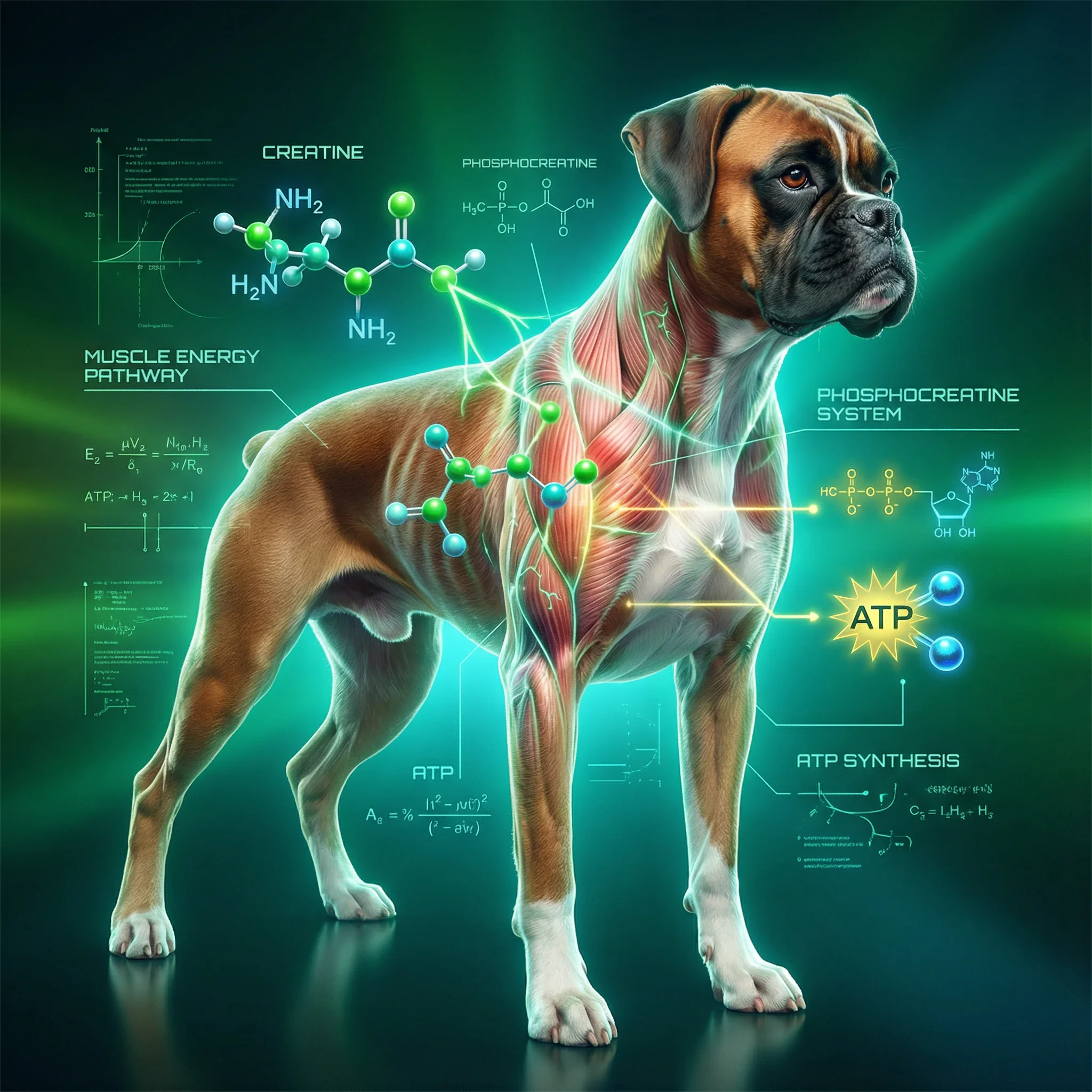
Creatine Monohydrate
Cellular energy reserve & strength
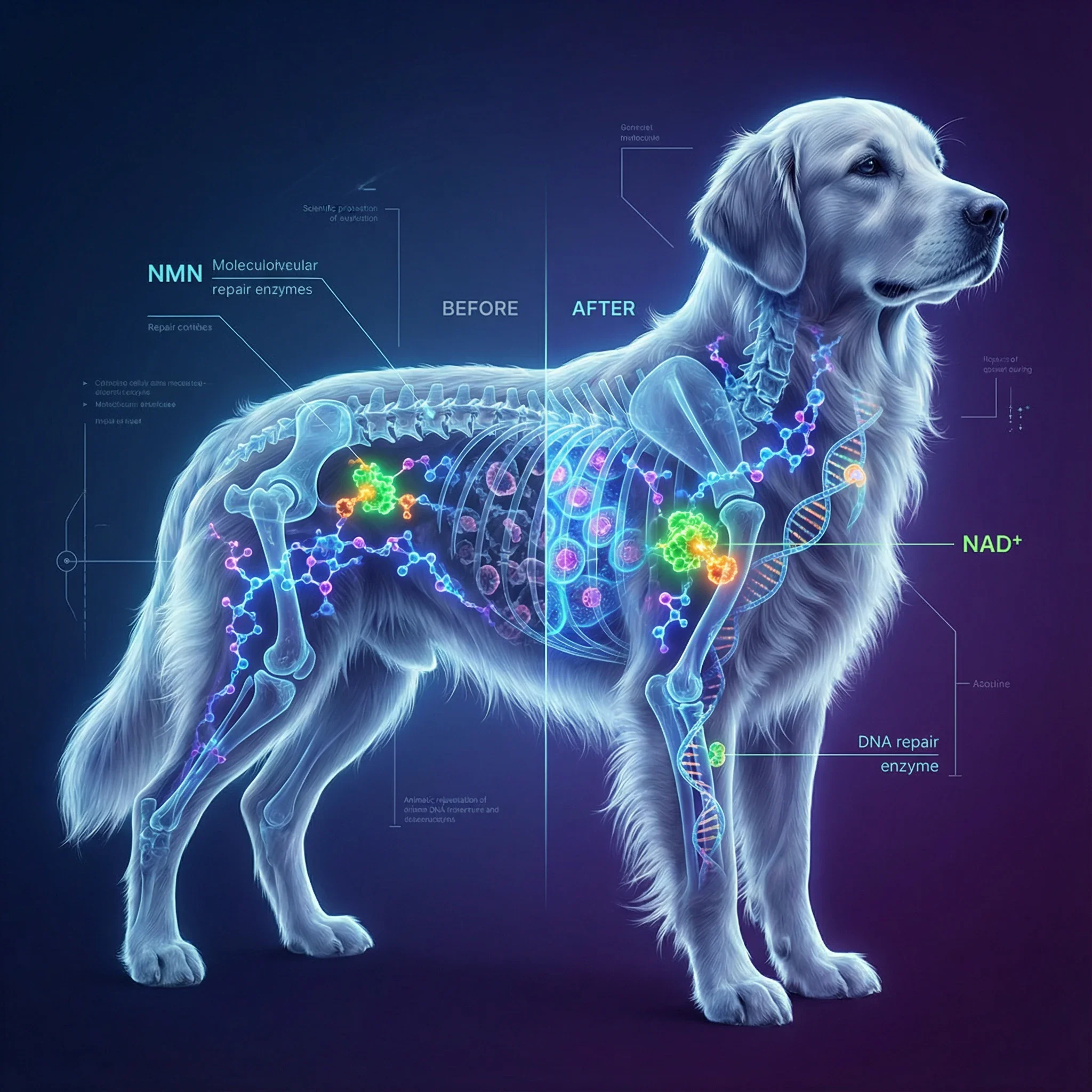
NMN (Nicotinamide Mononucleotide)
Supports cellular energy & healthy aging pathways
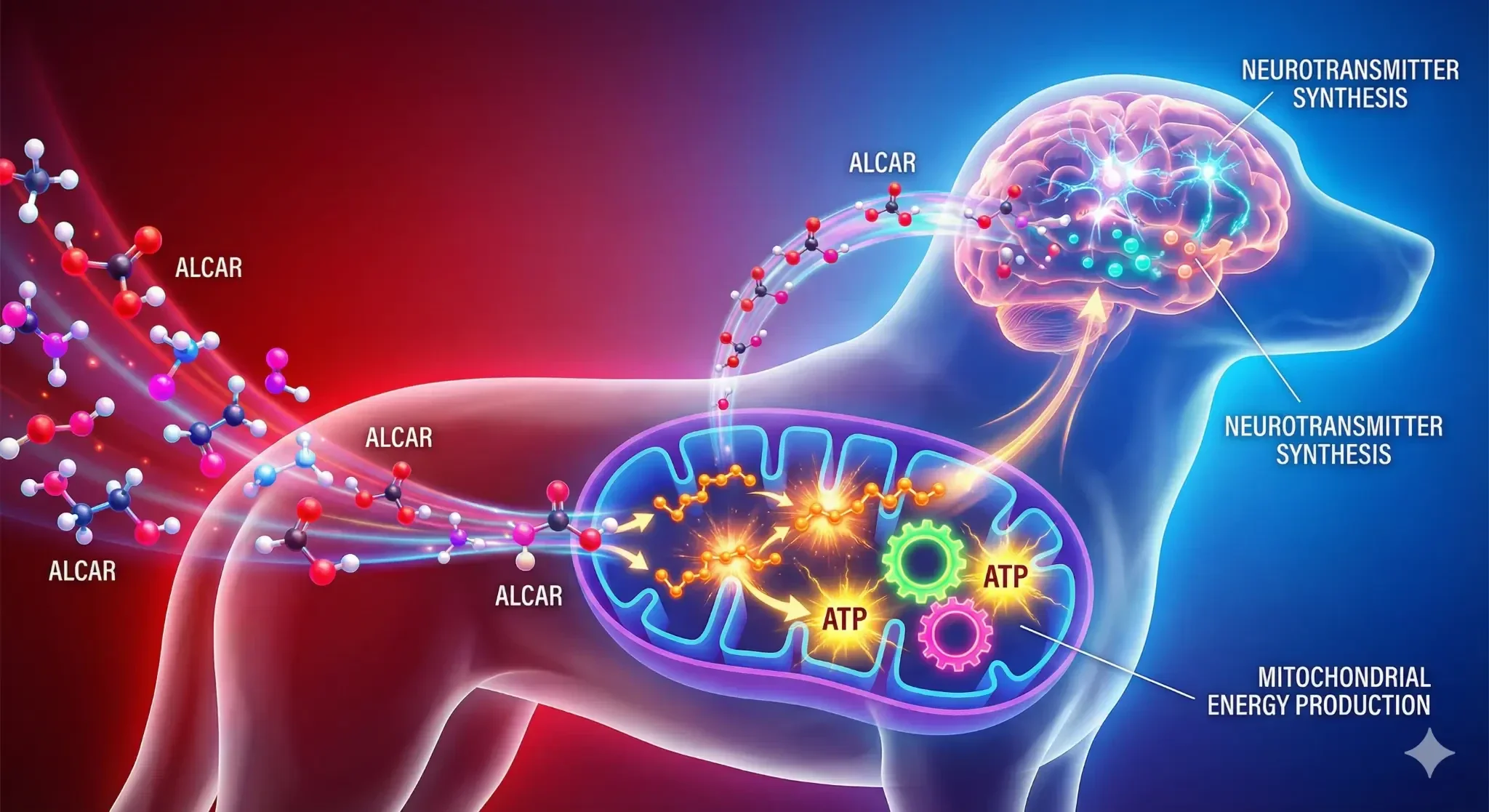
Acetyl-L-Carnitine
Mitochondrial function & energy
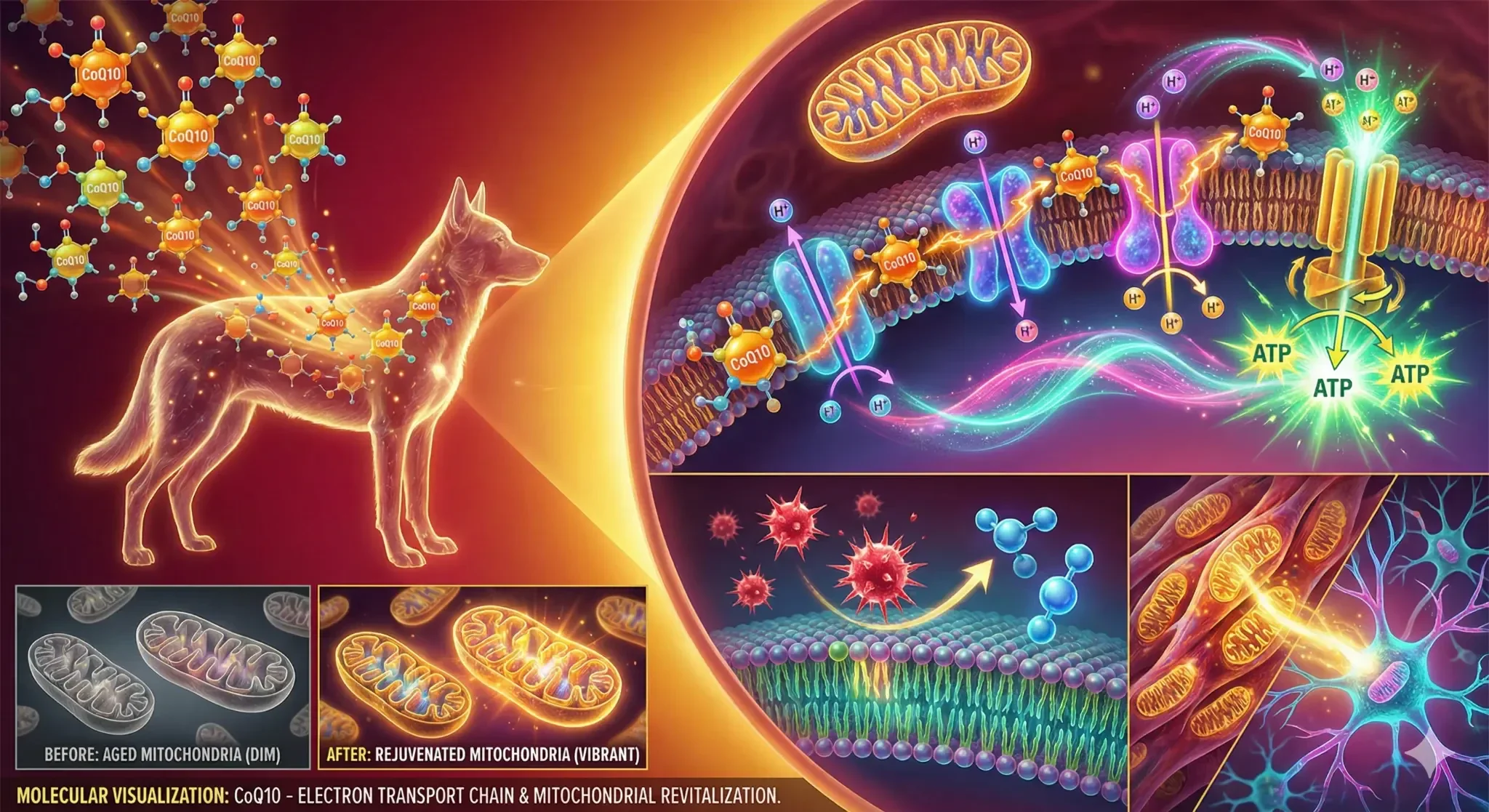
Coenzyme Q10
Mitochondrial energy & heart health
Important Note:
Pawdagen supports healthy aging and cellular function but is not a muscle-building supplement. It works best when combined with high-protein nutrition and resistance exercise for comprehensive muscle maintenance.
Prevention Strategies by Life Stage
The best time to prevent sarcopenia is before it starts. Here's what to focus on at each life stage:
Adult Dogs (1-7 years): Build the Foundation
- ✓ Maintain ideal body weight (excess fat accelerates muscle loss later)
- ✓ Feed 25-28% protein to support muscle maintenance
- ✓ Establish consistent exercise routine (30-60 min daily)
- ✓ Include variety: walking, swimming, play, occasional resistance work
- ✓ Baseline muscle assessment (photos, MCS) for future comparison
Early Senior (7-10 years): Proactive Prevention
- ✓ Increase protein to 30-35% to combat anabolic resistance
- ✓ Add resistance training 2-3x/week (hills, swimming, balance work)
- ✓ Monitor muscle condition monthly (palpation, photos)
- ✓ Consider supplements: Omega-3s, Vitamin D, CoQ10, NMN
- ✓ Maintain exercise consistency—don't let them "retire"
Late Senior (10+ years): Aggressive Maintenance
- ✓ Increase protein to 35-40% if muscle loss detected
- ✓ Continue resistance training but adjust intensity for comfort
- ✓ Feed protein across 3 meals for sustained muscle protein synthesis
- ✓ Consider therapeutic supplements: Creatine, HMB, L-Carnitine
- ✓ Weekly muscle condition checks—early detection is critical
- ✓ Work with vet to address any medical issues affecting muscle
Frequently Asked Questions
Can muscle loss be reversed in senior dogs?
Yes, partially. While some age-related muscle loss is inevitable, studies show senior dogs can rebuild significant muscle mass with proper nutrition (high protein) and resistance exercise. The key is starting before severe loss occurs—early intervention is most effective.
Expect to see noticeable improvements in 8-12 weeks with consistent protein intake (35-40%) and resistance training 3-4x/week.
How much protein is too much for senior dogs?
For healthy senior dogs, high protein (35-40%) is safe and beneficial. The old myth that high protein harms kidneys has been debunked—it's only a concern for dogs with existing kidney disease. In fact, adequate protein is essential for preventing muscle loss.
If your dog has kidney disease, work with your vet to balance protein needs with kidney function. Otherwise, don't fear high-quality protein.
My dog has arthritis. Can they still do resistance training?
Yes, but choose low-impact options. Swimming is ideal—provides resistance without joint stress. Gentle hill walking, sit-to-stand exercises (on soft surfaces), and balance work are also appropriate. Avoid jumping, running, and high-impact activities.
Strong muscles actually protect arthritic joints by absorbing shock and stabilizing the joint. The key is choosing exercises that build muscle without aggravating arthritis.
Always consult your vet before starting exercise programs for arthritic dogs.
How quickly can I expect to see results?
Timeline for muscle rebuilding:
- Weeks 1-4: Functional improvements (easier rising, more energy) before visible changes
- Weeks 4-8: Muscle tone becomes more noticeable to touch (firmer, fuller muscles)
- Weeks 8-12: Visible muscle definition, measurable strength gains, improved mobility
- 3-6 months: Significant muscle mass restoration (if compliance is high)
Progress is gradual but cumulative. Monthly photos help you see changes that are hard to notice day-to-day.
What if my dog won't eat high-protein food?
Strategies to increase protein intake for picky eaters:
- Add high-protein toppers: cooked chicken, eggs, cottage cheese, Greek yogurt
- Mix in canned fish (sardines, salmon) for flavor and omega-3s
- Warm food slightly to enhance aroma and palatability
- Gradually transition to higher-protein food over 7-10 days
- Try different protein sources (some dogs prefer fish over chicken, etc.)
- Consider high-protein treats between meals to boost daily intake
Explore Related Guides
Large Breed Health Guide
Comprehensive guide for large breed dogs with similar aging challenges and longevity strategies.
Senior Dog Care Guide
Complete guide to supporting senior dogs through their golden years with targeted nutrition.
Exercise & Joint Health Guide
Learn how to support joint health and mobility through proper exercise and supplementation.
Dog Longevity Guide
Comprehensive guide to extending your dog's lifespan and improving quality of life.
Key Ingredients for Your Dog's Health
These ingredients work synergistically to address the specific health challenges your dog may face.
Curcumin
Powerful anti-inflammatory for joint health and pain relief.
Resveratrol
Activates longevity pathways and protects cells from oxidative damage.
CoQ10
Supports cellular energy production, critical for heart function.
NMN
Boosts NAD+ levels to support cellular repair and cognitive function.
Essential Reading for Dog Owners
The definitive guide to extending your dog's healthiest years with science-backed strategies.
Understand the cellular mechanisms behind healthy aging — NAD+, inflammaging, and more.
14 science-backed natural ingredients that target the four pillars of cellular aging.
See how Pawdagen compares to generic supplements on dose, quality, and results.