How to Properly Exercise Your Dog
Complete guide to exercise requirements by breed, age, and health status
By Mike Dizak, Founder of Pawdagen • 15 min read
Why Exercise Matters
Exercise is fundamental to your dog's physical and mental well-being. Regular physical activity maintains healthy weight, strengthens muscles and bones, supports cardiovascular health, and prevents behavioral problems. Dogs are naturally active animals, and without adequate exercise, they can develop obesity, anxiety, destructive behaviors, and a host of health issues that significantly reduce their quality of life and lifespan.
Physical Benefits
- •Maintains healthy weight and body condition
- •Strengthens muscles, bones, and joints
- •Improves cardiovascular health and endurance
- •Enhances digestion and metabolism
- •Supports immune system function
Mental Benefits
- •Reduces anxiety, stress, and depression
- •Prevents destructive behaviors and boredom
- •Improves cognitive function and mental sharpness
- •Enhances socialization and confidence
- •Promotes better sleep quality
The benefits of exercise extend beyond the obvious physical improvements. Regular activity stimulates the release of endorphins, reduces cortisol levels, and provides essential mental stimulation through environmental exploration and social interaction. For working breeds and high-energy dogs, exercise is not optional—it's a biological necessity that prevents frustration, anxiety, and behavioral problems.
Exercise Requirements by Breed Type
Different breed groups were developed for specific purposes, and their exercise needs reflect their original working roles. Understanding your dog's breed type is essential for providing appropriate physical and mental stimulation.
High-Energy Breeds (2-3+ hours daily)
Working, herding, and sporting breeds require extensive daily exercise. These dogs were bred for stamina and endurance, often working full days alongside humans.
Examples:
Border Collies, Australian Shepherds, Siberian Huskies, German Shepherds, Labrador Retrievers, Golden Retrievers, Belgian Malinois, Weimaraners, Vizslas, Jack Russell Terriers
Recommended activities: Running, hiking, swimming, agility training, fetch, herding exercises, scent work, long walks (60+ minutes), bike rides
Moderate-Energy Breeds (1-2 hours daily)
Many companion breeds, terriers, and smaller sporting dogs fall into this category. They need regular exercise but don't require the intensity of working breeds.
Examples:
Beagles, Cocker Spaniels, Brittany Spaniels, Boxers, Dalmatians, Poodles, Shetland Sheepdogs, Pembroke Welsh Corgis, Miniature Schnauzers
Recommended activities: Brisk walks, moderate hiking, swimming, fetch, interactive play, dog parks, agility (recreational level)
Low-Energy Breeds (30-60 minutes daily)
Brachycephalic breeds, toy breeds, and companion dogs typically require less intense exercise. These dogs are content with moderate activity and indoor play.
Examples:
Bulldogs, Pugs, French Bulldogs, Shih Tzus, Cavalier King Charles Spaniels, Basset Hounds, Chihuahuas, Pekingese, Great Danes (despite size)
Recommended activities: Short walks (15-30 minutes), gentle play, indoor games, sniffing walks, light swimming (for appropriate breeds)
Exercise Requirements by Age
A dog's exercise needs change dramatically throughout their life. Puppies, adults, and seniors each require different types, durations, and intensities of physical activity.
Puppies (2-12 months)
General rule: 5 minutes of exercise per month of age, twice daily (e.g., a 3-month-old puppy gets two 15-minute sessions).
Key Considerations:
- Growth plates: Avoid high-impact activities (jumping, running on hard surfaces) until growth plates close (12-18 months for most breeds)
- Short sessions: Puppies tire quickly and need frequent rest
- Mental stimulation: Socialization, training, and puzzle toys are as important as physical exercise
Best activities: Short walks, gentle play, swimming (once vaccinated), puppy socialization classes, basic training, sniffing games
Adult Dogs (1-7 years)
Adult dogs are at peak physical condition and can handle the most intense exercise. This is when breed-specific requirements are most important.
Key Considerations:
- •Match exercise to breed energy level (30 minutes to 3+ hours daily)
- •Vary activities to prevent boredom and overuse injuries
- •Include both physical and mental challenges
- •Monitor for signs of overexertion or injury
Best activities: Running, hiking, swimming, agility, dock diving, fetch, frisbee, bike rides, dog sports, advanced training
Senior Dogs (7+ years)
Senior dogs still need regular exercise to maintain muscle mass, joint mobility, and mental sharpness, but intensity and duration should decrease.
Key Considerations:
- Low-impact focus: Protect aging joints with swimming, short walks, gentle play
- Shorter, more frequent sessions: Multiple 10-15 minute walks instead of one long walk
- Watch for arthritis: Stiffness, limping, or reluctance to move indicates pain
- Mental stimulation: Scent work and puzzle toys keep minds sharp without physical stress
Best activities: Swimming, short walks on soft surfaces, gentle fetch, sniffing walks, balance exercises, physical therapy exercises
Exercise Requirements by Size
Size significantly impacts exercise needs, joint stress, and appropriate activities. Small dogs have faster metabolisms but tire more quickly, while large dogs need careful management to protect developing and aging joints.
Small Dogs (Under 20 lbs)
Small dogs have high energy relative to their size but tire quickly due to shorter legs and smaller lung capacity. They benefit from multiple short exercise sessions throughout the day rather than one long session.
Examples:
Chihuahuas, Yorkshire Terriers, Pomeranians, Maltese, Toy Poodles, Papillons, Shih Tzus
Exercise Needs:
- •Duration: 30-60 minutes total daily, split into 2-3 sessions
- •Best activities: Short walks (10-20 minutes), indoor play, fetch with small toys, agility (toy-sized equipment)
- •Special considerations: Fragile bones require avoiding high jumps; sensitive to temperature extremes; mental stimulation is as important as physical
Medium Dogs (20-50 lbs)
Medium dogs offer the best balance of endurance and manageability. Most can handle substantial exercise without the joint concerns of large breeds or the fragility of small breeds.
Examples:
Beagles, Cocker Spaniels, Border Collies, Australian Shepherds, Bulldogs, Corgis, Miniature Schnauzers
Exercise Needs:
- •Duration: 1-2 hours daily (varies significantly by breed energy level)
- •Best activities: Brisk walks, hiking, swimming, fetch, agility, dog sports, running (for appropriate breeds)
- •Special considerations: Breed energy level matters more than size; herding breeds need extensive exercise despite medium size
Large Dogs (50-90 lbs)
Large dogs need substantial exercise but require careful management to protect joints, especially during growth (up to 18 months) and in senior years. Hip dysplasia and arthritis are common concerns.
Examples:
Labrador Retrievers, Golden Retrievers, German Shepherds, Boxers, Dobermans, Weimaraners, Huskies
Exercise Needs:
- •Duration: 1-3 hours daily depending on breed
- •Best activities: Long walks, hiking, swimming (excellent low-impact option), fetch, running alongside bikes
- •Special considerations: Avoid high-impact exercise during growth period; swimming is ideal for joint protection; watch for signs of hip or elbow dysplasia
Giant Dogs (90+ lbs)
Giant breeds have the shortest lifespans and highest risk of joint problems. Exercise is essential but must be carefully managed to avoid joint damage. Growth plates don't close until 18-24 months.
Examples:
Great Danes, Mastiffs, Saint Bernards, Newfoundlands, Irish Wolfhounds, Great Pyrenees
Exercise Needs:
- •Duration: 30-60 minutes daily (less than you might expect)
- •Best activities: Moderate-paced walks, swimming, gentle play, sniffing walks
- •Special considerations: CRITICAL - No running, jumping, or high-impact exercise until 18-24 months; avoid stairs when possible; swimming is ideal; watch for bloat risk (no exercise immediately after meals)
Types of Exercise
Variety is essential for comprehensive fitness and preventing boredom. Different exercise types target different aspects of physical and mental health. A well-rounded exercise program includes cardiovascular activity, strength building, mental stimulation, and social interaction.
Walking
The foundation of canine exercise. Walking provides low-impact cardiovascular activity, mental stimulation through environmental exploration, and opportunities for socialization.
Benefits:
- • Low-impact, joint-friendly
- • Mental stimulation from scents
- • Strengthens bond with owner
- • Improves cardiovascular health
Best For:
- • All dogs, all ages
- • Senior dogs with arthritis
- • Overweight dogs
- • Daily baseline activity
Swimming
The gold standard for low-impact, full-body exercise. Swimming provides intense cardiovascular and muscular work without joint stress, making it ideal for dogs with arthritis or obesity.
Benefits:
- • Zero-impact on joints
- • Full-body muscle engagement
- • Excellent cardiovascular workout
- • Cooling in hot weather
Best For:
- • Dogs with arthritis
- • Overweight dogs
- • Senior dogs
- • Large and giant breeds
Fetch & Retrieval Games
High-intensity interval training that combines sprinting, jumping, and mental focus. Fetch satisfies natural prey drive and provides intense exercise in short periods.
Benefits:
- • Intense exercise quickly
- • Satisfies prey drive
- • Builds speed and agility
- • Mental focus and training
Best For:
- • Retrievers and sporting breeds
- • High-energy adult dogs
- • Dogs with strong prey drive
- • Quick exercise sessions
Scent Work & Mental Stimulation
Mental exercise that tires dogs as effectively as physical activity. Scent work, puzzle toys, and training sessions engage the brain and reduce anxiety.
Benefits:
- • Mental exhaustion without physical stress
- • Reduces anxiety and boredom
- • Suitable for all ages
- • Weather-independent
Best For:
- • Senior dogs with limited mobility
- • Dogs recovering from injury
- • Anxious or reactive dogs
- • Rainy days
Exercise Intensity Levels
Understanding intensity helps you match activities to your dog's fitness level and avoid overexertion. Intensity is measured by heart rate, breathing rate, and ability to maintain the activity.
Low Intensity Exercise
Gentle, sustainable activity for daily baseline fitness
Low-intensity exercise forms the foundation of your dog's daily activity. At this level, your dog can maintain the activity for extended periods without heavy panting or fatigue. Heart rate stays in the lower range, breathing remains relatively normal, and your dog can easily stop and start without distress.
Characteristics:
- • Breathing: Slightly elevated but can still sniff
- • Duration: 30-60+ minutes sustainable
- • Recovery: Minimal time needed
- • Frequency: Daily, multiple times
Examples:
- ✓ Leisurely walks
- ✓ Sniffing walks
- ✓ Gentle yard play
- ✓ Calm swimming
Moderate Intensity Exercise
The sweet spot for fitness, health, and longevity
Moderate-intensity exercise is where the magic happens for cardiovascular health, weight management, and overall fitness. At this level, your dog is working hard enough to gain fitness benefits but not so hard that they risk injury or exhaustion.
Characteristics:
- • Breathing: Elevated, panting but not excessive
- • Duration: 20-45 minutes sustainable
- • Recovery: 10-20 minutes
- • Frequency: 4-6 times per week
Examples:
- ✓ Brisk walks
- ✓ Hiking
- ✓ Swimming laps
- ✓ Moderate fetch
High Intensity Exercise
Short bursts for athletic conditioning - use with caution
High-intensity exercise pushes your dog to their physical limits. While valuable for athletic conditioning, it carries the highest risk of injury and overexertion. Only for healthy, fit adult dogs.
Characteristics:
- • Breathing: Heavy panting
- • Duration: Only 5-15 minutes
- • Recovery: 20-30+ minutes
- • Frequency: 2-3 times per week max
Examples:
- ✓ Full-speed running
- ✓ Intense fetch
- ✓ Agility competition
- ✓ Flyball racing
⚠️ NOT suitable for: puppies, seniors, overweight dogs, brachycephalic breeds, dogs with heart/joint issues
Signs Your Dog Needs More or Less Exercise
Recognizing the signs of under-exercise and over-exercise is crucial for your dog's health and well-being. Both extremes can lead to serious health and behavioral problems.
Signs of Under-Exercise
Dogs who aren't getting enough exercise often develop behavioral and health problems as their pent-up energy seeks an outlet.
- •Destructive behaviorChewing furniture, digging holes, tearing up belongings - energy seeking an outlet
- •HyperactivityCannot settle, constantly pacing, demanding attention, jumping on people
- •Weight gainVisible fat deposits, difficulty feeling ribs, loss of waist definition
- •Anxiety and stressExcessive licking, whining, restlessness, inability to relax
- •Poor sleep qualityDifficulty settling at night, frequent waking, restless sleep
- •Excessive barkingBarking at everything, attention-seeking vocalizations, boredom barking
Signs of Over-Exercise
Too much exercise, especially high-impact activity, can cause injury, exhaustion, and long-term joint damage.
- •Limping or stiffnessEspecially after rest, difficulty rising, favoring one leg, reluctance to move
- •Excessive pantingContinues long after exercise stops, heavy panting at rest
- •Reluctance to exerciseRefuses walks, lags behind, sits down during activity, hides when leash appears
- •Muscle sorenessFlinches when touched, moves carefully, difficulty with stairs
- •Excessive fatigueSleeps more than usual, lacks energy for normal activities, slow to recover
- •Worn or damaged paw padsCracked, bleeding, or raw pads from excessive running on hard surfaces
Safety & Injury Prevention
Preventing injuries is far easier than treating them. Follow these guidelines to keep your dog safe during exercise and minimize the risk of acute injuries and long-term joint damage.
Essential Safety Rules
✓ Warm Up Properly
Just like humans, dogs need 5-10 minutes of low-intensity activity before intense exercise. Start with walking before running, gentle movement before fetch.
Why: Cold muscles and tendons are more prone to strains and tears
✓ Cool Down Gradually
End exercise with 5-10 minutes of walking to gradually lower heart rate. Never stop abruptly after intense activity.
Why: Prevents blood pooling, reduces muscle soreness, aids recovery
✓ Hydration is Critical
Fresh water must be available before, during (every 15-20 minutes), and after exercise. Carry a collapsible bowl on walks.
Why: Dogs can't sweat; they cool through panting which requires water
✓ Surface Awareness
Avoid hot pavement (if too hot for your hand, too hot for paws), sharp rocks, ice, and uneven terrain that risks ankle injuries.
Why: Paw pad burns and injuries are painful and take weeks to heal
✓ Progressive Increase
Increase duration or intensity by no more than 10% per week. Rapid increases cause overuse injuries.
Why: Muscles, tendons, and bones need time to adapt to new demands
✓ Rest Days Matter
At least 1-2 rest days per week allow muscles to repair and strengthen. Rest is when fitness gains actually occur.
Why: Continuous exercise without recovery leads to overtraining injuries
⚠️ Emergency Warning Signs - Stop Exercise Immediately:
- • Excessive panting that doesn't slow after rest
- • Bright red or pale gums
- • Vomiting or diarrhea
- • Disorientation or stumbling
- • Sudden limping or yelping
- • Refusal to continue despite normal energy levels
If any of these occur, stop exercise, provide water and shade, and contact your vet if symptoms persist.
Weather Considerations
Temperature extremes require special precautions to keep your dog safe during exercise. Dogs are more sensitive to heat and cold than humans.
☀️ Hot Weather (Above 75°F)
Critical Rules:
- • Exercise only during cooler hours (before 8am, after 8pm)
- • Test pavement with your hand - if too hot to hold for 5 seconds, too hot for paws
- • Provide water breaks every 10-15 minutes
- • Watch for excessive panting, drooling, or lethargy
- • Seek shade frequently
⚠️ Heatstroke Warning Signs:
Heavy panting, bright red tongue, thick drooling, vomiting, diarrhea, lethargy, collapse. This is a medical emergency - cool dog gradually and seek immediate vet care.
High-Risk Breeds:
Brachycephalic breeds (Bulldogs, Pugs, Boston Terriers), thick-coated breeds (Huskies, Malamutes), overweight dogs
❄️ Cold Weather (Below 45°F)
Protection Strategies:
- • Shorter sessions for small dogs and short-coated breeds
- • Consider dog coats/sweaters for thin-coated breeds
- • Protect paws from ice, salt, and chemicals with booties
- • Dry thoroughly after exposure to snow/rain
- • Watch for shivering, reluctance to walk, or lifting paws
❄️ Hypothermia Warning Signs:
Shivering, lethargy, weak pulse, shallow breathing, muscle stiffness. Warm gradually with blankets and seek vet care.
High-Risk Breeds:
Small breeds (Chihuahuas, Italian Greyhounds), short-coated breeds (Greyhounds, Whippets), senior dogs, puppies
Exercise Modifications for Health Conditions
Dogs with health conditions can still exercise safely with appropriate modifications. Always consult your vet before starting an exercise program for dogs with medical issues.
Arthritis & Joint Disease
Recommended:
- ✓ Swimming (zero-impact, builds muscle)
- ✓ Short, frequent walks on soft surfaces
- ✓ Gentle stretching and range-of-motion exercises
- ✓ Physical therapy exercises
Avoid:
- ✗ Jumping, stairs, high-impact activities
- ✗ Running on hard surfaces
- ✗ Long sessions that cause stiffness
- ✗ Exercise when joints are stiff (warm up first)
Heart Disease
Recommended:
- ✓ Low-intensity walks at dog's pace
- ✓ Frequent rest breaks
- ✓ Avoid heat and humidity
- ✓ Monitor breathing and energy closely
Avoid:
- ✗ Any moderate or high-intensity exercise
- ✗ Excitement-inducing activities
- ✗ Exercise in hot weather
- ✗ Pushing beyond dog's comfort level
Obesity
Start Slowly:
- ✓ Begin with 10-15 minute walks
- ✓ Swimming (reduces joint stress)
- ✓ Gradually increase duration (not intensity)
- ✓ Focus on consistency over intensity
Avoid:
- ✗ Jumping, running until fitness improves
- ✗ Long sessions that cause exhaustion
- ✗ Hot weather exercise
- ✗ Increasing too quickly (10% per week max)
How Pawdagen Supports Exercise Performance
Exercise places significant demands on your dog's body—cellular energy, muscle recovery, joint health, and cardiovascular function. Pawdagen's science-backed ingredients work synergistically to support every aspect of exercise performance and recovery.
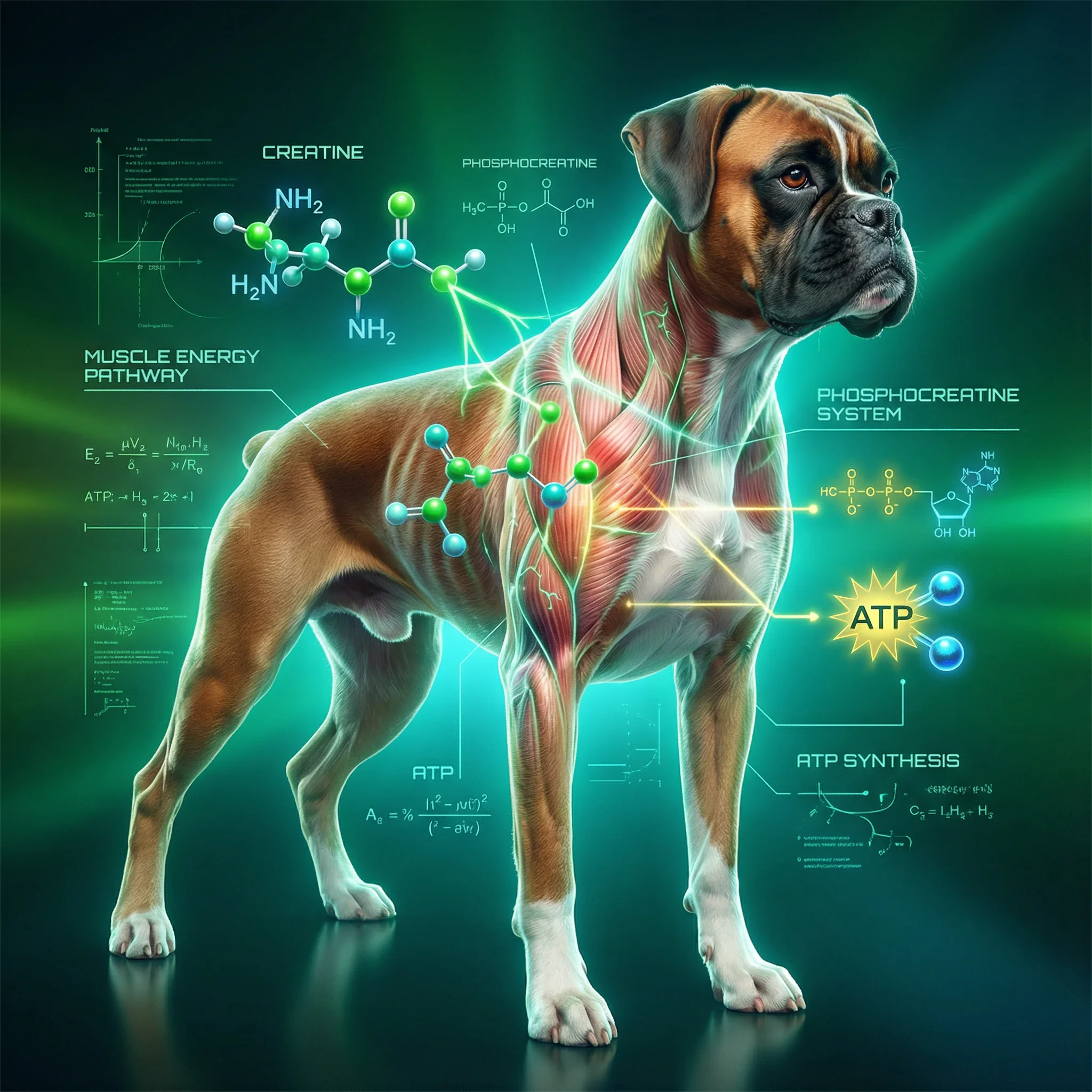
Creatine Monohydrate
Cellular energy reserve & strength
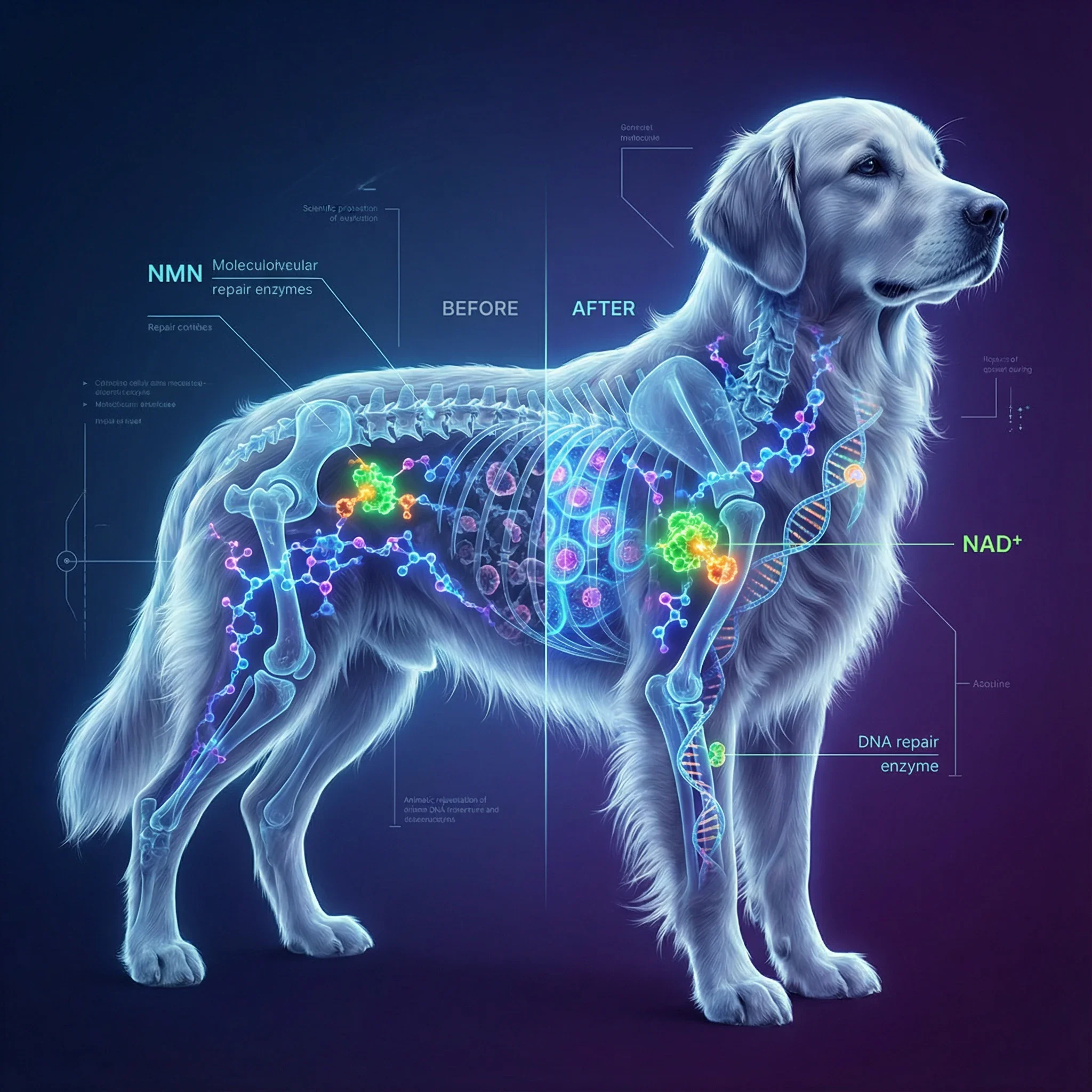
NMN (Nicotinamide Mononucleotide)
Supports cellular energy & healthy aging pathways

Acetyl-L-Carnitine
Mitochondrial function & energy

Coenzyme Q10
Mitochondrial energy & heart health
Frequently Asked Questions
How much exercise does my dog need daily?
Most dogs need 30 minutes to 2 hours of physical activity daily, depending on breed, age, size, and energy level. High-energy breeds like Border Collies may need several hours, while low-energy breeds like Bulldogs may only need 30-60 minutes.
Can I over-exercise my dog?
Yes, over-exercising can cause injury, exhaustion, and joint damage. Watch for signs like excessive panting, limping, reluctance to move, or soreness. Always start slow and gradually increase intensity, especially for puppies and senior dogs.
What's the best exercise for senior dogs?
Low-impact activities like swimming, short walks, and gentle play are ideal for senior dogs. These maintain muscle mass and mobility without stressing aging joints. Adjust duration and intensity based on your dog's comfort level.
How do I know if my dog is getting enough exercise?
A well-exercised dog is calm indoors, maintains a healthy weight, sleeps well, and shows no destructive behaviors. Under-exercised dogs may display hyperactivity, anxiety, weight gain, or destructive chewing.
Should I exercise my dog in hot weather?
Exercise during cooler parts of the day (early morning or evening) in hot weather. Watch for signs of overheating like excessive panting, drooling, or lethargy. Always provide water and avoid hot pavement that can burn paw pads.
Give Your Dog the Energy for a Lifetime of Adventure
Support your dog's exercise performance and recovery with Pawdagen's science-backed longevity formula. Cellular energy, joint protection, and cardiovascular support in every chew.
Explore Related Guides
Large Breed Health Guide
Comprehensive guide for large breed dogs with similar aging challenges and longevity strategies.
Senior Dog Care Guide
Complete guide to supporting senior dogs through their golden years with targeted nutrition.
Exercise & Joint Health Guide
Learn how to support joint health and mobility through proper exercise and supplementation.
Dog Longevity Guide
Comprehensive guide to extending your dog's lifespan and improving quality of life.
Key Ingredients for Your Dog's Health
These ingredients work synergistically to address the specific health challenges your dog may face.
Curcumin
Powerful anti-inflammatory for joint health and pain relief.
Resveratrol
Activates longevity pathways and protects cells from oxidative damage.
CoQ10
Supports cellular energy production, critical for heart function.
NMN
Boosts NAD+ levels to support cellular repair and cognitive function.
Essential Reading for Dog Owners
The definitive guide to extending your dog's healthiest years with science-backed strategies.
Understand the cellular mechanisms behind healthy aging — NAD+, inflammaging, and more.
14 science-backed natural ingredients that target the four pillars of cellular aging.
See how Pawdagen compares to generic supplements on dose, quality, and results.